Network upgrades in the interconnection queue: why they start at the substation
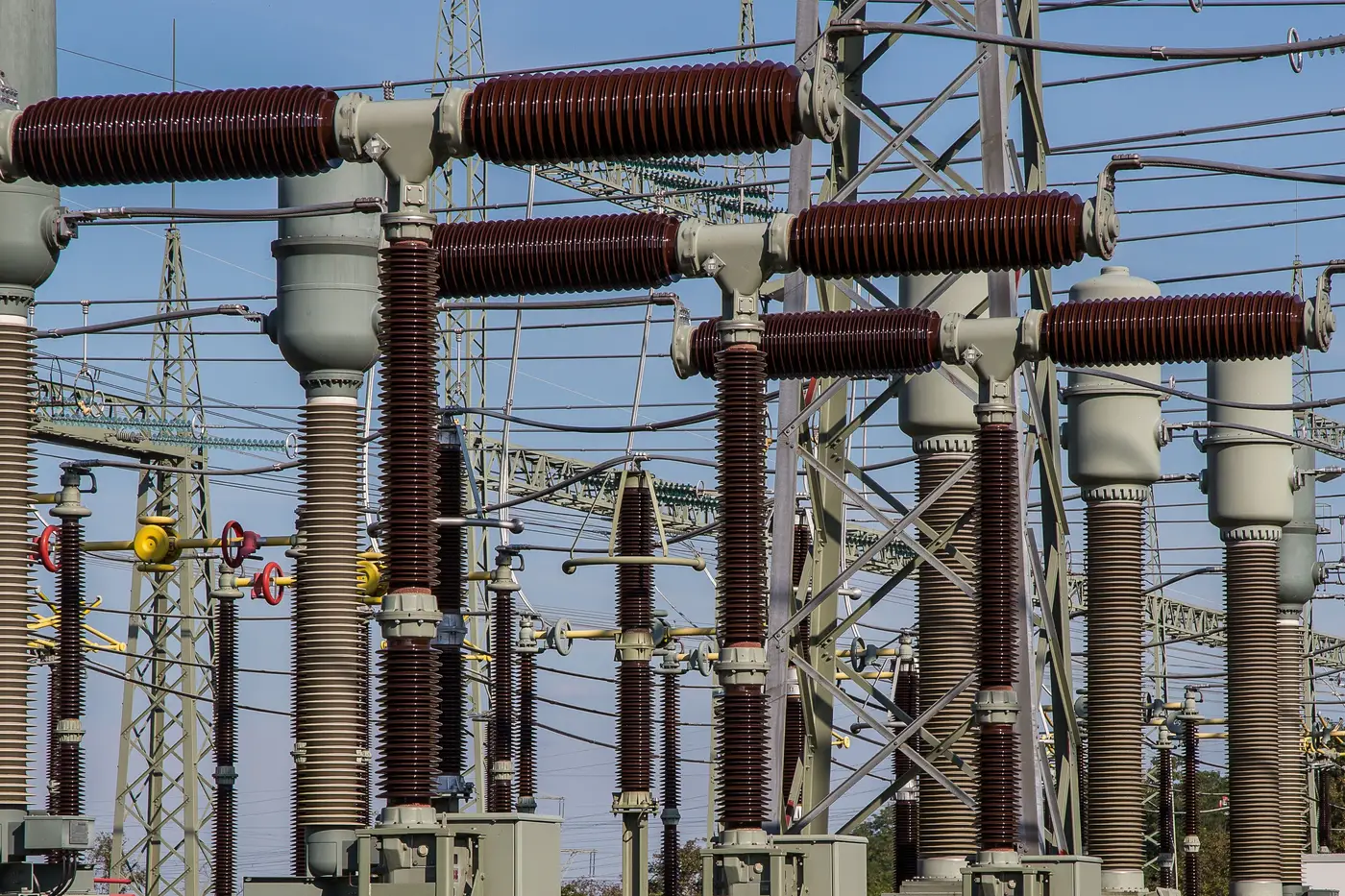
If you've read a system impact study or a generator interconnection agreement, you've run into the term "network upgrade" and probably skimmed past the definition because the document assumes you already know it. The term covers a specific category of cost allocation, and it matters to anyone watching substation footprints rather than filing dockets because of where the physical work lands first.
What counts as a network upgrade
A network upgrade is any modification to the transmission system, beyond the generator's own interconnection facilities, that's required to safely absorb a new project's output without violating thermal, voltage, or stability limits. The interconnection study process (whether it's run under FERC Order 2023 procedures, an RTO's cluster study, or a vertically integrated utility's own queue) separates costs into two buckets. One bucket pays for the tie line and switchyard equipment that connects the specific generator to the grid. The other pays for everything else the system needs to handle the new load or generation: a new breaker position, a second transformer bank, a busbar extension, sometimes a whole new ring bus configuration at an existing site.
That second bucket is the network upgrade. The study assigns the cost to the interconnecting generator, and the construction almost always happens on equipment the incumbent utility already owns and operates: an existing breaker-and-a-half yard, an existing transformer bank, an existing bus, not a parcel the new project controls.
Why the substation is where it shows up first
The part that doesn't get spelled out in the study documents: before a network upgrade shows up as a line rebuild or a new terminal forty miles away, it almost always shows up first as a bay addition at an existing substation. A generator interconnection request rarely trips a limit on the open transmission line. It trips a limit at the point where that line terminates, which is a substation bus, a transformer bank, or a set of breaker positions that are already running close to their rated capacity.
So the queue study calls for a new 230 kV bay, or a second step-up transformer, or an expanded breaker-and-a-half arrangement, and the utility (or the generator, depending on who's assigned the cost) starts construction at that yard months or years before commercial operation. The paperwork trail runs long: the system impact study, the facilities study, the generator interconnection agreement, then a construction schedule the utility negotiates on its own timeline. Analysts tracking capacity build-out at a neighboring utility's substations, or trying to confirm their own field crews executed what the GIA called for, end up waiting on whichever of those filings happens to become public. Queue dockets lag construction by a year or more in a lot of jurisdictions.
Reading the queue vs. reading the yard
The queue document tells you what was studied and approved. It doesn't tell you when steel went in the ground, whether the scope changed between the facilities study and construction, or whether a utility added a bay for reasons that never made it into a public interconnection request at all: local load growth, a battery colocation deal, a transmission owner's own reliability project. A lot of real capacity gets added to a substation without ever generating a queue filing an outside analyst can read.
That gap is why a footprint comparison earns its keep on its own, separate from the docket. A new bay, a transformer pad poured where there wasn't one before, a yard fence line pushed out: these are physical facts you can confirm from an overhead pass without needing the GIA to be public or the queue status to update. Grid Change Monitor runs that comparison against a site's own last pass and hands back a change list, so the construction itself becomes the signal instead of the filing that's supposed to describe it.
If you'd rather see new bays and transformer additions as they get built instead of waiting for the interconnection paperwork to catch up, Grid Change Monitor's quarterly substation comparisons are worth a look.