How to find substation upgrade plans buried in a rate case filing
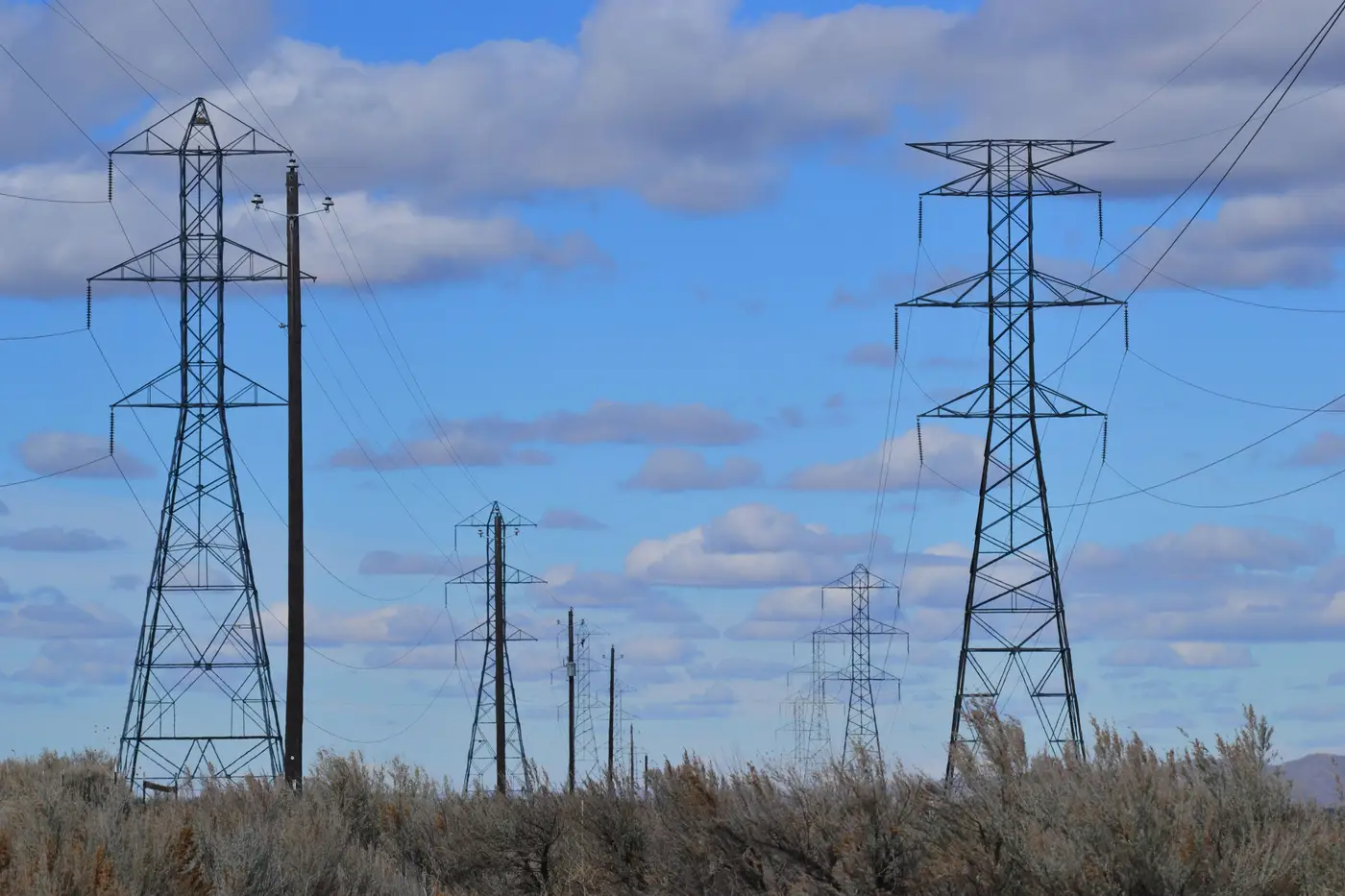
A rate case filing runs thousands of pages. Somewhere in there, usually buried three exhibits deep in a capital project schedule nobody reads cover to cover, is the line that tells you a utility is adding a transformer bank at a substation you've been watching for two years. Finding it isn't hard once you know where utilities hide this stuff and why.
Where the substation capex lives
Skip the direct testimony summary pages. That's marketing copy for commissioners. The real detail sits in three places:
Capital project schedules (often Exhibit or Schedule B-series). These list individual projects by name, dollar amount, and in-service year. Look for substation names directly, or project codes that map to a substation in a separate asset list filed earlier in the docket.
Workpapers supporting the revenue requirement. These are the spreadsheets behind the testimony numbers. A lot of filers only post these on request or after a data request cycle, but when they're public, they break capital spend down by asset class, and "substation equipment" or "transmission station" line items will have sub-schedules.
Responses to intervenor data requests. Staff and intervenors ask "describe the scope of the X substation project" more often than you'd think, and the answer sometimes includes bay counts, breaker configuration, and target completion dates the original filing never spelled out. Search the docket's DR index for the substation name or the project code before you give up on the main filing.
What to search for instead of the substation name
Half the time the filing doesn't use the colloquial name you know the site by. Utilities file under asset tags or project titles like "Station 4871 Transformer Addition" or "Northgate 138kV Rebuild." Search terms that work better than the plant name:
- "bay addition" or "new bay"
- "transformer bank" or "autotransformer"
- "breaker-and-a-half" or "ring bus conversion"
- "station rebuild" or "yard expansion"
- the circuit or line number feeding the site, if you know it
Cross-reference hits against the FERC Form 1 for the same utility and year. Form 1's Schedule 426 (transmission plant) and the construction work in progress detail often use the same project naming convention as the rate case exhibits, and having both open side by side cuts the guesswork.
Capacity addition or just replacement in kind
Not every substation project in a rate case is a capacity play. A lot of filed capex is like-for-like replacement of aging breakers or a transformer swap at end of life, same rating, same footprint. The tell is in the justification language: "replace in kind" or "age and condition" points to maintenance capex. "Accommodate load growth," "interconnection request," or "increase transformer capacity" points to an actual build-out. If the filing lists a new MVA rating next to the old one, that's your confirmation.
The gap between filing and physical completion is the part that matters most for planning work. A rate case tells you a utility got approval and booked the spend. It does not tell you when steel went in the ground, when the yard got fenced for construction, or whether the scope changed between the filing and the build. Approved projects get delayed, descoped, or re-sequenced all the time, and the only way to know current status is a site visit or waiting for the project to show up as completed plant in the next Form 1 cycle, which can run a year or two behind.
That lag is exactly the gap a quarterly aerial pass closes. Grid Change Monitor compares each substation footprint to the last pass and flags new bays, transformer additions, and yard construction as they happen, so you're not reading physical build-out off a filing that may already be a year stale.
If you've got a watchlist of substations from rate case review and want to know what's actually been built at them, that's the gap worth closing next.