Field notes: the yard that doubled before anyone filed
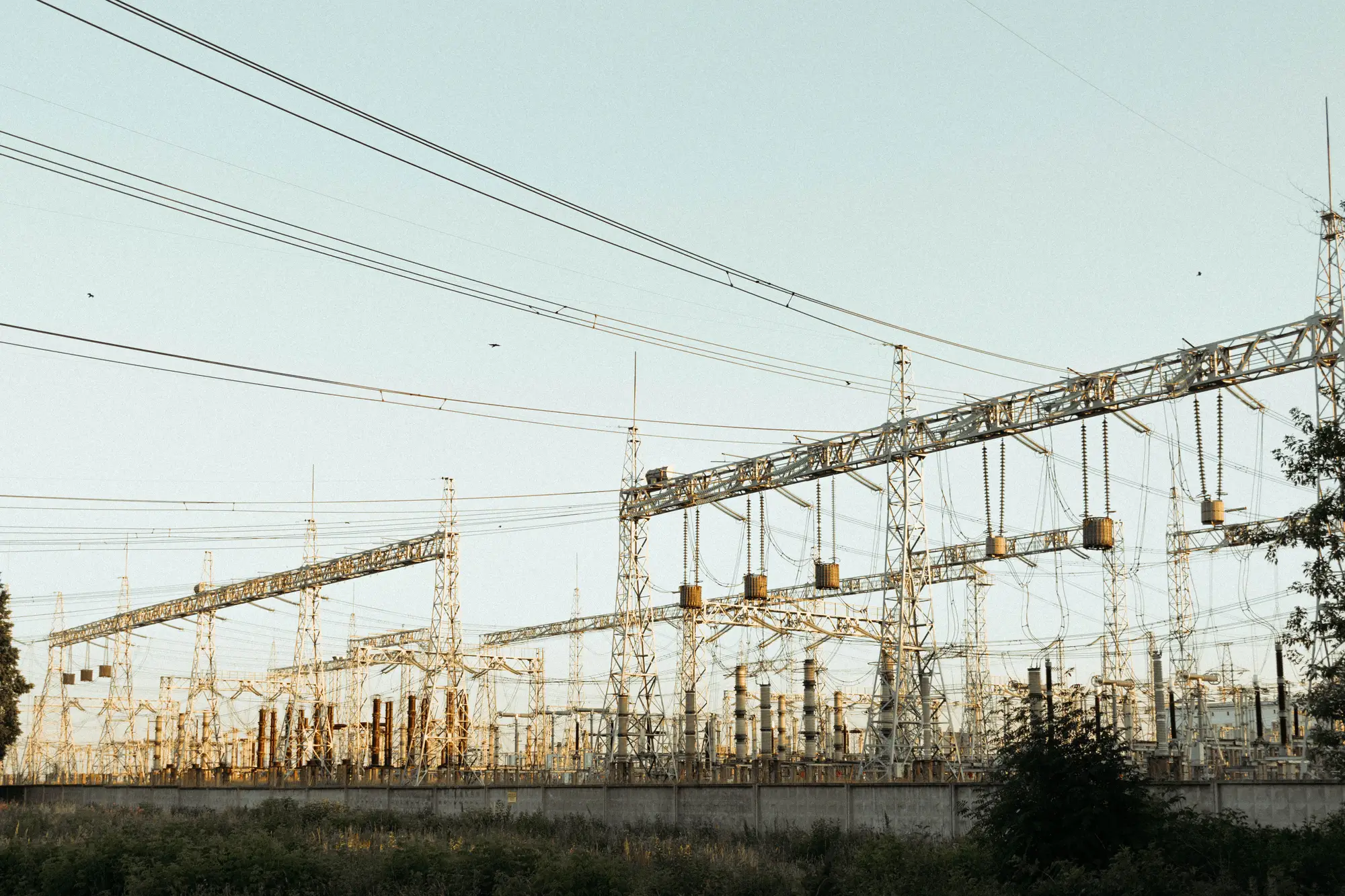
There's a yard in our comp set, I won't say which one, that went from six breaker positions to eleven in about fourteen months. No interconnection filing turned up anywhere we checked, no press release, no line item in anybody's ten-year plan. Just a bigger yard, the next time anyone looked.
This happens more than planners like to admit out loud. A neighboring utility pours foundations for three new bays, strings a dead-end structure off the existing ring bus, sets a second transformer on a pad that didn't exist the prior summer, and none of it shows up in a filing until the facility is already energized, sometimes not even then if it's a utility-owned upgrade that never triggers a FERC interconnection process at all. Utility-to-utility capacity additions, especially ones serving a utility's own load growth rather than a new generator or large customer, often don't generate the kind of public paper trail that transmission planners are used to leaning on.
The gap between "steel in the ground" and "documented somewhere you can search" can run well past a year. Permitting records tell you a project was proposed. Filings tell you someone requested interconnection. Neither one tells you what actually got built, or when, or whether the scope matches what was originally described. A yard that was approved for two new positions can quietly end up with four. A "future expansion" pad marked on a decade-old site plan can sit empty for years and then fill in over a single construction season, with nothing filed to flag it.
A gravel footprint tipped our analyst off, not a document. The cleared area around the yard had grown well past the fence line a few passes back, long before any steel went up, and that turned out to be the tell: grading and pad prep almost always precede the visible bay-and-busbar work by a season or two. By the time the new structures were standing, the capacity addition was already a fact on the ground, not a pending item in a queue.
For a planner trying to model a neighboring system, or even trying to keep tabs on your own construction crews working off a schedule that drifted months ago, that lag matters. You're making assumptions about a competitor's or a neighbor's headroom based on filings that may be twelve to eighteen months stale relative to what's standing in the yard right now. You're also, in a less comfortable but equally real sense, trying to spot unannounced construction that has security implications of its own: new switching capability, new interconnection points, activity at a site nobody's supposed to be building at right now.
A quarterly pass over the footprint, compared against the last one, catches the gravel pad before it catches the steel, and catches the steel well before any filing does. That's the whole premise behind what we built at the site-by-site comparison tool this newsletter runs on: new bays, new transformer additions, yard expansion, flagged from imagery alone, on a cadence that doesn't depend on anyone else's paperwork clock.
None of this replaces the filing record. Filings still tell you intent, ownership, cost allocation, all the things a footprint comparison can't. But if you want the early read, the one that tells you a yard doubled before anyone had to tell you, the imagery got there first. It usually does.
If you're tracking a handful of sites you can't walk into and don't want to find out about the next expansion after the fact, that's worth a look.