Field notes: three new bays, zero new filings
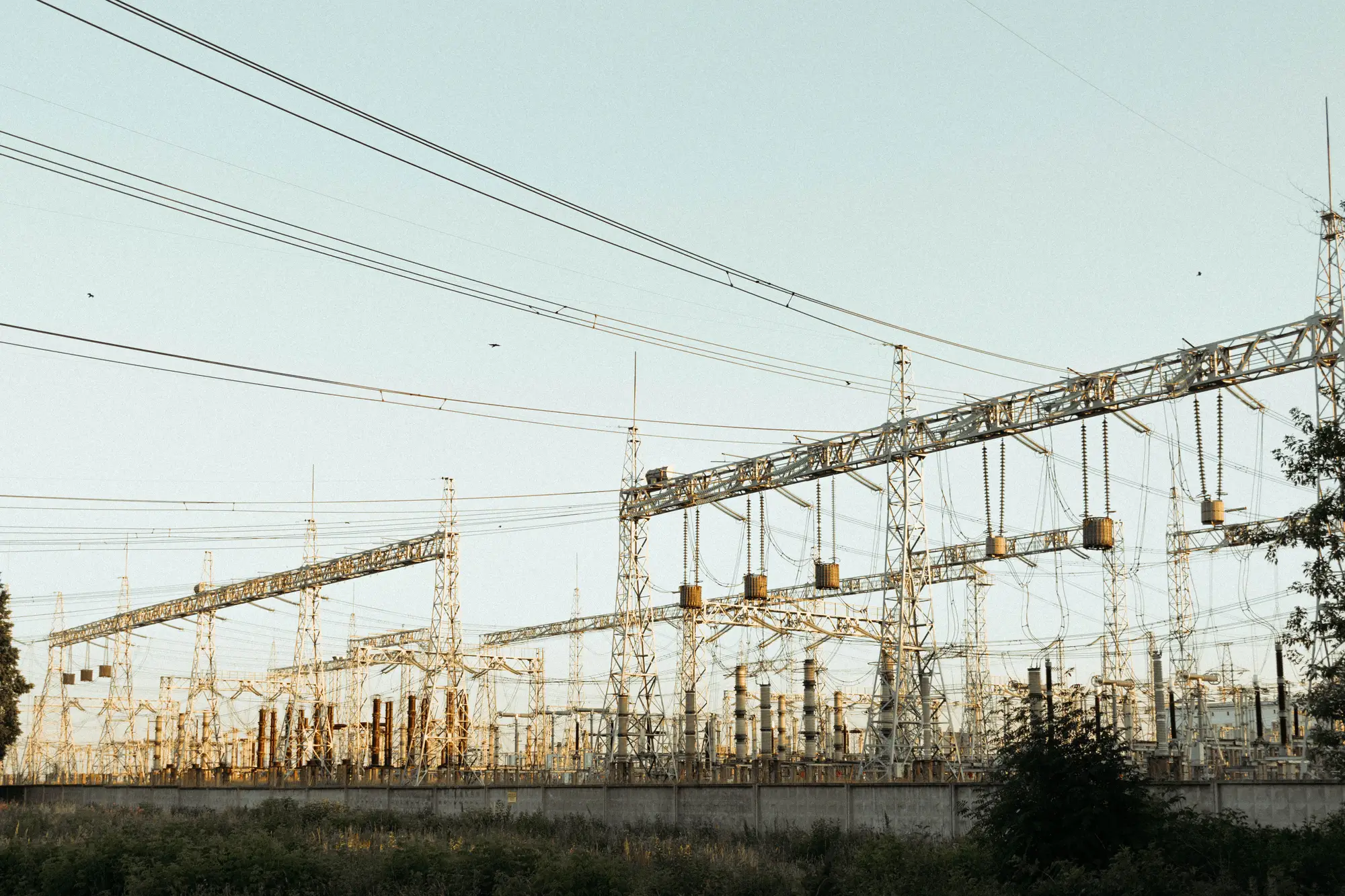
There's a particular kind of queue item that every transmission planner learns to read sideways. The filing says "study pending." The capacity table hasn't moved. And meanwhile, if you'd happened to pull imagery of that yard six months apart, you'd have seen a third bay poured, steel set, and a transformer pad graded before anyone upstream touched a form.
This happens often at the margins of a neighboring utility's footprint, especially on stations that sit near a load pocket everyone already knows is tight. The filing process has its own clock, built around study cycles, cluster studies, and whatever backlog the queue is carrying that quarter. Construction doesn't wait for that clock. A utility with its own capital plan, its own crews, and its own reasons to move early will often start site work well before the interconnection paperwork catches up, sometimes because the addition is for native load and doesn't trigger the same filing at all.
I ran into a version of this a while back on a station I was tracking mostly out of habit, one of those sites on the edge of a service territory where ownership and load responsibility get a little blurry. The last filing of record showed a single future addition, unscheduled, no in-service date. Nothing in the public record suggested movement. But the yard told a different story: a new bay footing, a second set of breaker foundations, and what looked like prep for a third position, all visible well before any of it would show up in a study report or a GIS layer someone bothers to update.
None of that is dramatic on its own. What's worth noticing is the gap itself, the lag between dirt moving and the record catching up. That gap is where a lot of planning assumptions quietly go stale. If you're doing a loading study on an adjacent line, or sizing a future interconnection near that station, and you're working off the filed capacity, you're working off a number that construction has already outrun. The station isn't lying. The filing is just late, and it's late for reasons that have nothing to do with deception, mostly scheduling, staffing, and the fact that native-load additions often don't carry the same disclosure obligations as a generator interconnection.
The practical question for an analyst is less "why does this happen" and more "how would I know." Field visits don't scale to someone else's substation, especially across territory lines. Trade press picks up the big transformer orders and the headline transmission projects, not a quiet bay addition at a 115 kV station nobody's writing about. The filing record is useful for reading intent and process, but it trails ground truth by months, sometimes by a full budget cycle.
That's really the gap a quarterly imagery pass is built to close, comparing footprint to footprint and flagging the things that changed: a new bay, a transformer pad that wasn't there last pass, yard grading that suggests a future addition before it's ever disclosed. It won't tell you why the addition happened or what capacity it adds. But it tells you something moved, months before a filing would, which is often enough to adjust a study assumption or at least ask the right question at the next coordination call. If this kind of lag has bitten a study of yours before, Grid Change Monitor is built around exactly that gap.
Track the yard, not just the queue. The paperwork will tell you eventually. The concrete tells you first.