Field notes: the Saturday our own crew added a bay and the quarterly pass almost missed it
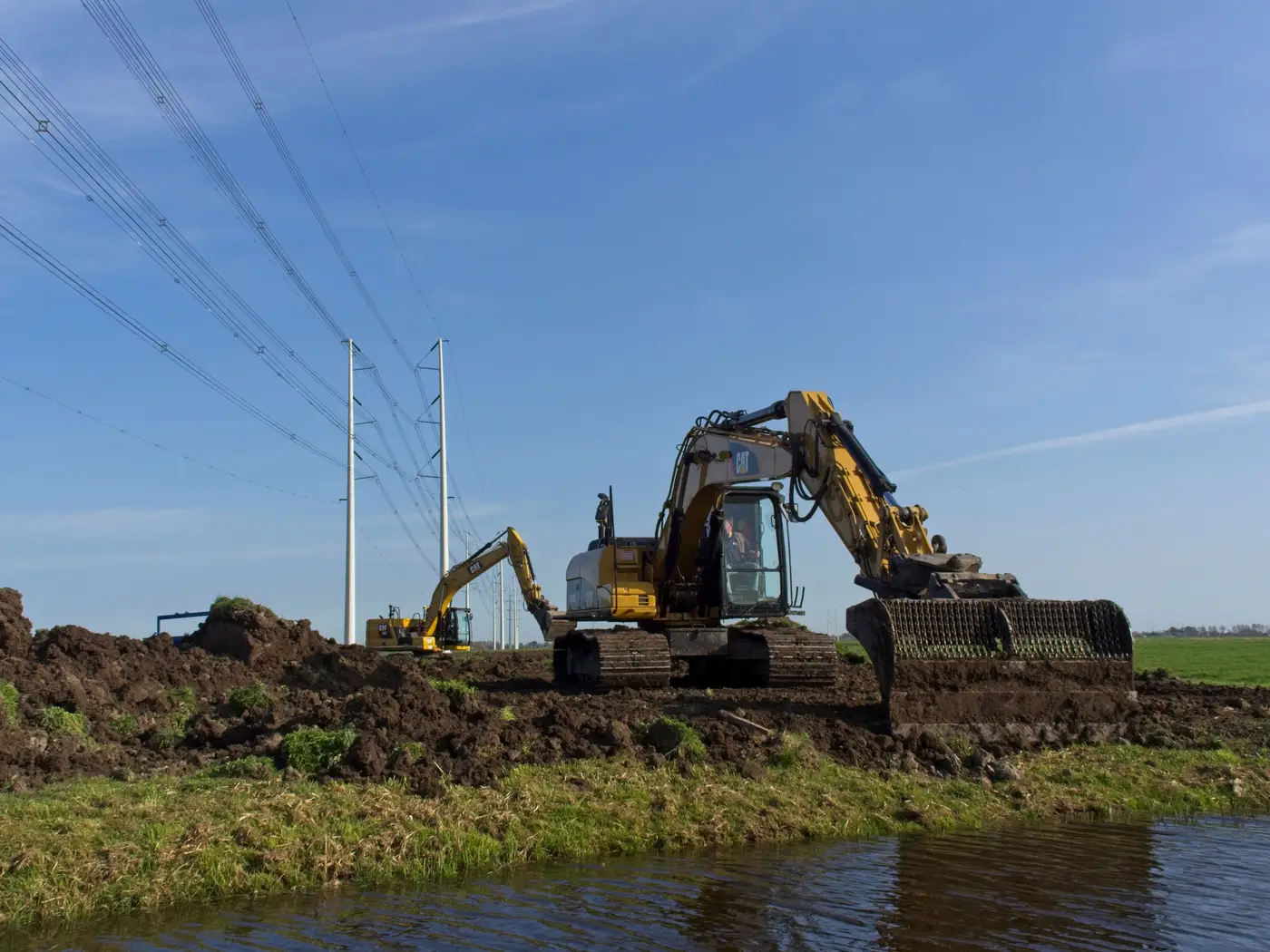
We assume the surprises in substation imagery come from somewhere else. A neighboring utility quietly adding a bay ahead of their interconnection filing. A generator developer staging equipment before anyone's told us. What nobody expects to find in the change list is their own company.
That's what happened to me in the spring pass for a 138kV yard on the west side of our territory. New gravel pad, trenching for conduit, a dead-end structure that hadn't been there in the winter imagery. My first read was the usual one: flag for field verification, note the probable use (capacity addition, likely third-party), move to the next site. I'd written half the comment before I noticed the cost center stenciled on the equipment crate sitting in the laydown area, blown up as far as the imagery would let me push it. It was ours.
A capital project had gone in that quarter to add a bay for a new feeder tap. I'd seen the project in the five-year plan eighteen months earlier, in a spreadsheet, as a line item with a rough in-service date. I had not seen it as a work order with an actual start date, because the work order lived in the construction group's scheduling system, and the scheduling system and the planning desk's GIS layer do not talk to each other. They never have.
Somebody files the as-built drawings eventually, usually a few months after energization, and that's when the change officially lands on a planner's desk. The crew that poured the foundation that Saturday wasn't hiding anything. Nobody told them they needed to.
I've since gone back and found two more instances of this at other sites over the past year, smaller ones. A transformer swap that read, on first look, like unannounced activity until I cross-checked it against a maintenance ticket from our own operations group. A fence line extension around a yard that turned out to be our vegetation management contractor prepping for a project that hadn't been flagged to planning yet either.
None of this is a scandal. It's an org chart problem. Construction schedules move. Cost centers get reassigned.
A project that was supposed to start in Q3 starts in Q1 because a different project got delayed and freed up a crew. Everyone involved did their job correctly. The gap is that nobody's job is to tell the planning desk the moment the breaker foundation goes in, only to tell them once the as-built package is final, which can run months behind.
What a quarterly pass over your own sites buys you isn't a replacement for that as-built package. It's an earlier read on the same information, the gap between concrete going in the ground and paperwork catching up with it. You see the new bay before the project close-out meeting, not after. You see whether the contractor working that yard is doing what the work order said, or something slightly different, which happens more than anyone likes to admit on a job that drags past its original scope.
Once I started treating internal sites the same way I treat a neighboring utility's, I added a step to the quarterly review: cross-check every new feature against our own work-order log before writing it up as unannounced activity. I stopped assuming I'd already know and started checking. It's a cheap habit against a real blind spot: the places you think you have full visibility into because you own them are often the ones where the paperwork trail is slowest, not fastest, because nobody's racing a filing deadline to get it done.
If you want that check built into your workflow instead of stumbled into on a Saturday, a quarterly footprint comparison across every site in your territory catches the ones your own crews put up too, not just the neighbors'. Worth a look if your last surprise came from inside your own fence line.